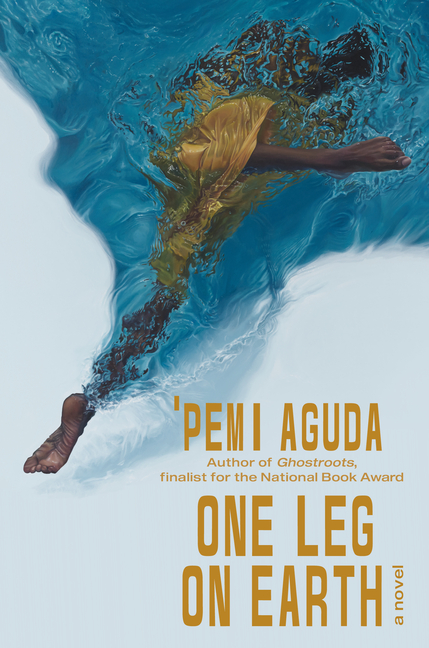
One Leg on Earth
A virtuoso of dread and suspense, Aguda splices eco-horror, cosmic distress and ideas of the monstrous feminine into a singularly nail-biting experience ... Proffering more questions than answers, the novel luxuriates in a state of deliberate spooky indeterminacy. What makes a watery grave alluring to these women? Are these suicides acts of protest or a bid at transcendence? ... As well as the body horror of maternity, summoned through serial visions of grotesquely distended stomachs, the novel forcefully explores the competing meanings that define and confine motherhood; and the hair-raising in-betweenness of expecting mothers, poised between life and death.
Read Full Review >>
...all that had been irresistibly strange in the novel—the dreadfulness of Omi City; Yosoye’s nightmarish inability to keep Lagos out of her body—tips expertly into true folk horror. Folklore, which holds a mirror to a community’s anxieties, often reflects back a monster, turning a complex threat into something more easily observed and understood. In Aguda’s enormously capable hands, Yosoye is transformed from an ordinary young woman into a kind of figurative folk monster — her pregnant body a symbol so powerfully and aggressively human that it mocks the distorted narratives that deny humanity to those born on the wrong side of a gate. As the scope of Yosoye’s folkloric purpose swells — to punish a species that demands growth at any environmental cost; to prevent mothers from feeding their young to false systems, propped by false borders, enforced by false powers — we see that the anxieties that plague Lagos are universal; that a threat to humanity anywhere is a threat to humans everywhere. All of us are drowning, figuratively and some literally, as sea levels rise, and it will take more than a myth to protect us.
Read Full Review >>
Peek at the multiple categories that 'Pemi Aguda's debut novel, One Leg on Earth, is shelved under and you'll start to understand how distinctive her writing is. Amazon, for instance, sells the book under: horror, occult and supernatural, city life, and literary fiction. It's all those and more ... Through uncanny language and images, Aguda enchants her readers into an intimate connection with Yosoye.
Read Full Review >>